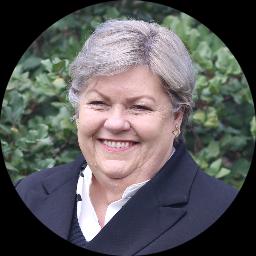
About Shelley
Shelley Murphy welcomes people who are tired of feeling stuck and want practical support to make change. She is an ACA counsellor with 16 years of experience and works with issues such as stress, anxiety, relationship concerns, low self-esteem and motivation. Shelley believes people already hold strengths, and she helps them use those strengths to move forward.
Shelley listens in a warm, non-judgemental way and helps clients set small, realistic steps.
How Shelley works
Conversations focus on what matters to the person and on doable ways to manage difficult emotions. She uses straightforward skills to ease anxiety, rebuild confidence and improve communication. Her work draws on approaches that include Acceptance and Commitment Therapy and Cognitive Behavioural Therapy to challenge unhelpful patterns.
Attachment-based ideas and Emotionally-Focused Therapy inform how she helps people understand their close relationships and emotional reactions. Sessions are practical and collaborative rather than academic. Shelley has helped people cope with grief, trauma and addiction issues as well as parenting and career stress.
She also supports those exploring intimacy, body image, codependency and issues from their family of origin. Shelley aims to create a calm space where someone can test new ways of relating and acting. Sessions can include talk, skill practice and short at-home tasks to build confidence between meetings.
She encourages steady progress rather than quick fixes and checks in often about what is working. The goal is clearer choices and more reliable ways to face life changes and challenges.
Shelley lists 13 ways of working on the entry:
- Acceptance and Commitment Therapy (ACT)
- Attachment-Based Therapy
- Client-Centered Therapy
- Cognitive Behavioral Therapy (CBT)
- Emotionally-Focused Therapy (EFT)
- Gottman Method
- Hypnotherapy
- Jungian Therapy
- Mindfulness Therapy
- Motivational Interviewing
- Solution-Focused Therapy
- Trauma-Focused Therapy
- Internal Family Systems
What Shelley works with
The areas below are the ones Shelley selected when setting up a profile. The first few are listed as the main focus; the rest are also named.
- Stress, Anxiety
- Relationship issues
- Anger management
Also listed
- Abandonment
- Addictions
- ADHD
- Attachment issues
- Body image
- Career difficulties
- Caregiver issues and stress
- Codependency
- Commitment issues
- Communication problems
- Compassion fatigue
- Control issues
- Coping with life changes
- Dependent personality
- Depression
- Divorce and separation
- Domestic violence
- Emptiness
- Family conflicts
- Family of origin issues
- Family problems
- Fatherhood issues
- Forgiveness
- Grief
- Guilt and shame
- Intimacy-related issues
- Jealousy
- LGBT
- Life purpose
- Midlife crisis
- Parenting issues
- Self esteem
- Self-love
- Trauma and abuse
- Women's issues
- Workplace issues
Training and background
| Register | ACA |
|---|---|
| Years in practice | 16 |
| Languages | English |
| Session format | Online: video, phone, live chat or messaging |
| Country | Australia |
Memberships and registers are shown as supplied; they are not licences, and this directory does not verify them.
Online support options
How Shelley’s approaches translate to online therapy
Acceptance and Commitment Therapy (ACT) helps people clarify personal values and take small meaningful actions even when difficult thoughts or feelings appear. It is useful for anxiety, depression and coping with life changes. Cognitive Behavioural Therapy (CBT) focuses on identifying unhelpful thoughts and testing them with real-life tasks to reduce anxiety and improve mood. It suits specific worries, stress and motivation problems. Attachment-Based Therapy looks at how early relationship patterns show up now and helps people develop healthier ways of connecting and responding to others.Shelley works collaboratively to find the best approach for each person. She will listen to your goals and preferences, explain the options and try methods that match what you need. The process can include checking in about progress and adjusting the plan as you go.
Online formats such as video calls, phone sessions, live chat and text-based messaging make it easier to fit therapy into a busy life. Video lets you work through skills with face-to-face interaction. Phone calls use less bandwidth and can be a good option for brief check-ins. Live chat and text are useful for stepwise support, mood tracking and shorter conversations between sessions. These choices make therapy more flexible and accessible while keeping the work focused on practical change and emotional understanding.
Start online instead of waiting
Our partner service asks a few questions about what you are looking for and matches you with a therapist for sessions from home.
Book with ShelleyWe will earn a commission if you sign up through our link, at no cost to you.
Common questions
What concerns does Shelley commonly help with?
What is Shelley’s style in sessions?
What experience does she bring?
What credentials and where is she based?
Can I work with Shelley if I live overseas or speak another language?
Which session formats are available?
How much do sessions cost?
How do I start working with Shelley?
A practical next step
Write down two things you would want to be different in six months. That is the most useful thing to bring to a first session, whoever it is with. If you would rather start now than keep reading, online sessions are the quickest route.
We will earn a commission if you sign up through our link, at no cost to you. Entries are not assessed or endorsed by this directory.
Other entries for stress, anxiety
Supportive LCSW helping people build strength and clarity
Practical, trauma-aware therapy for everyday life
Practical, relational therapy for life transitions