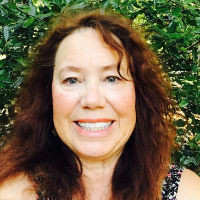
About Sherry
Sherry Friedman is a licensed professional counselor with 12 years of clinical experience. She practices in North Carolina and brings a thoughtful, empathetic approach to emotional and life struggles. Sherry uses plain language and practical tools in sessions so people can make steady progress.
She focuses on common and complex concerns like stress, anxiety, depression, mood disorders, bipolar disorder, trauma and abuse, and ADHD. She also helps with parenting stress, relationship and family problems, grief, anger, low self-esteem, career questions, and life transitions.
How Sherry works
Additional interests include attachment and abandonment issues, autism and Asperger syndrome, body image, narcissism, and multicultural concerns. Sherry blends several approaches in her work. She draws on attachment-based ideas to look at how early bonds shape reactions today.
She uses client-centered methods to keep sessions respectful and focused on each person’s goals. She also incorporates skills from Dialectical Behavior Therapy and emotion-focused work when practical. Her style is warm and interactive.
She aims to build rapport quickly and help people recognize strengths and set boundaries. Sessions often include mindfulness practices and techniques clients can use between meetings. Sherry holds LPC and LCMHC credentials and has training across schools of counseling.
She communicates in English and works with people by video calls, phone sessions, live chat, or text-based messaging. To begin, a person selects Start Therapy, completes a short matching questionnaire, and schedules according to therapist availability.
Sherry lists 13 ways of working on the entry:
What Sherry works with
The areas below are the ones Sherry selected when setting up a profile. The first few are listed as the main focus; the rest are also named.
- Stress, Anxiety
- Trauma and abuse
- Parenting issues
Also listed
- Abandonment
- ADHD
- Anger management
- Attachment issues
- Autism and Asperger Syndrome
- Bipolar disorder
- Body image
- Career difficulties
- Coaching
- Communication problems
- Compassion fatigue
- Coping with life changes
- Depression
- Divorce and separation
- Family conflicts
- Family of origin issues
- Family problems
- Forgiveness
- Grief
- Isolation / loneliness
- Life purpose
- Midlife crisis
- Mood disorders
- Multicultural concerns
- Narcissism
- Post-traumatic stress
- Postpartum depression
- Pregnancy and childbirth
- Relationship issues
- Self esteem
- Self-love
- Women's issues
Training and background
| Registers | LPC, LCMHC |
|---|---|
| Years in practice | 12 |
| Languages | English |
| Session format | Online: video, phone, live chat or messaging |
| Country | North Carolina |
Memberships and registers are shown as supplied; they are not licences, and this directory does not verify them.
Online support options
How therapeutic approaches translate to online care
Attachment-based work looks at how early relationships shape feelings and reactions. Online sessions can explore those patterns through reflective conversation and targeted exercises to improve emotional connection and self-understanding. Client-centered therapy emphasizes listening and collaboration. In remote sessions the therapist creates a respectful space, follows each person’s pace, and focuses on personal goals and strengths. Dialectical Behavior Therapy, or DBT, teaches practical skills for emotion regulation, distress tolerance, and clearer communication. Those skills can be taught in short exercises during a video call or reinforced via text-based messaging between meetings.Choosing the right approach is part of the work together. The therapist will discuss goals, preferences, and what feels most helpful. Clients and therapist decide collaboratively which methods to use and adjust the plan as progress is made.
Online formats offer practical benefits. Video calls let people use visual cues and longer conversation time. Phone sessions need less bandwidth and work well for focused check-ins. Live chat and text-based messaging are useful for quick support, brief skill practice, or ongoing coaching between sessions. These options help fit therapy into busy lives and make regular contact easier to maintain.
Start online instead of waiting
Our partner service asks a few questions about what you are looking for and matches you with a therapist for sessions from home.
Book with SherryWe will earn a commission if you sign up through our link, at no cost to you.
Common questions
What concerns does Sherry address in therapy
How would you describe her therapeutic style
What is her clinical background
Where is she licensed and practicing
Which languages are supported for sessions
What session formats are available
How is pricing handled for therapy
How do I begin working with her
A practical next step
Write down two things you would want to be different in six months. That is the most useful thing to bring to a first session, whoever it is with. If you would rather start now than keep reading, online sessions are the quickest route.
We will earn a commission if you sign up through our link, at no cost to you. Entries are not assessed or endorsed by this directory.
Other entries for stress, anxiety
Supportive LCSW helping people build strength and clarity
Practical, trauma-aware therapy for everyday life
Practical, relational therapy for life transitions