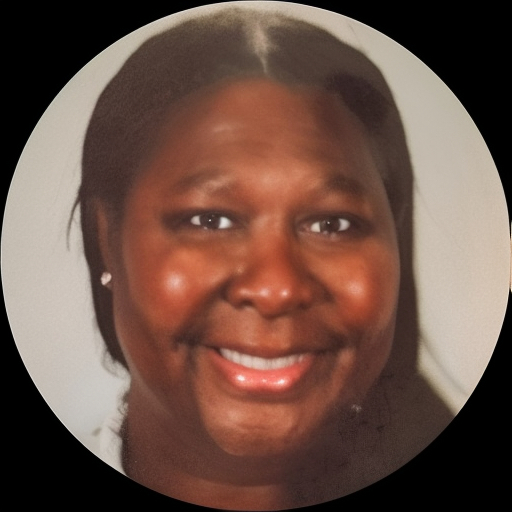
About Tonia
Tonia Davis is an LPC (Licensed Professional Counselor) who focuses on practical, evidence-based care. She aims to build a warm space where people feel heard and supported as they work through stress, anxiety, relationship strain, trauma and abuse, low self-esteem, and depression. She uses approaches that help people notice unhelpful thinking and change behaviors that keep problems going.
Sessions are collaborative and strength-focused, so clients can use their own abilities to make changes.
How Tonia works
The work is grounded in simple, clear steps rather than clinical jargon. With five years of experience, Tonia has supported people dealing with panic and mood disorders, dissociation, and the aftereffects of trauma. She also addresses concerns such as abandonment, control issues, impulsivity, and isolation or loneliness.
Her background includes attention to multicultural concerns and issues relevant to veterans and armed forces members. Practical skills are a common part of sessions. That can include learning coping tools for anxiety, improving communication, and developing plans for emotional regulation.
Tonia helps people find workable strategies that fit daily life. She offers sessions from Georgia in English. Online formats include video calls, phone sessions, live chat, and text-based messaging.
To start, people complete a short matching questionnaire and schedule a time that fits their availability.
What Tonia works with
The areas below are the ones Tonia selected when setting up a profile. The first few are listed as the main focus; the rest are also named.
- Stress, Anxiety
- Relationship issues
- Trauma and abuse
Also listed
- Abandonment
- Communication problems
- Control issues
- Coping with natural or human-caused disaster
- Depression
- Dissociation
- Forgiveness
- Impulsivity
- Isolation / loneliness
- Life purpose
- Midlife crisis
- Mood disorders
- Multicultural concerns
- Panic disorder and panic attacks
- Personality disorders
- Postpartum depression
- Seasonal Affective Disorder (SAD)
- Self esteem
- Self-love
- Social anxiety and phobia
- Veteran and Armed Forces Issues
- Women's issues
- Young adult issues
Training and background
| Register | LPC |
|---|---|
| Years in practice | 5 |
| Languages | English |
| Session format | Online: video, phone, live chat or messaging |
| Country | Georgia |
Memberships and registers are shown as supplied; they are not licences, and this directory does not verify them.
Online support options
How therapeutic approaches work online
Evidence-based therapeutic techniques often used in this practice focus on changing thoughts and behaviors and building practical coping skills. One approach helps people identify unhelpful thought patterns and replace them with more balanced thinking. This can reduce anxiety, improve mood, and make stressful situations easier to handle.Another approach emphasizes learning small, actionable skills for emotional regulation and behavior change. Clients practice these skills between sessions so they become part of daily life. That kind of work is useful for panic, mood shifts, impulsivity, and trauma-related symptoms.
Choosing the right approach is a team effort. The therapist will talk with each person about symptoms, goals, and preferences and then try methods that fit best. If something does not feel helpful, adjustments are made together so the work stays relevant and manageable.
Online formats make this collaborative work flexible. Video calls are useful when visual cues matter and a longer session is needed. Phone sessions can be simpler when bandwidth is limited or a quieter check-in is preferred. Live chat and text-based messaging let people send short updates, ask questions between sessions, or fit therapy into a busy day.
Start online instead of waiting
Our partner service asks a few questions about what you are looking for and matches you with a therapist for sessions from home.
Book with ToniaWe will earn a commission if you sign up through our link, at no cost to you.
Common questions
What kinds of concerns does she help with?
What is her general therapy style?
How much clinical experience does she have?
What credentials and location are listed?
Which languages are sessions offered in?
Can people outside the country work with her?
What session formats are available?
How does cost and scheduling work?
A practical next step
Write down two things you would want to be different in six months. That is the most useful thing to bring to a first session, whoever it is with. If you would rather start now than keep reading, online sessions are the quickest route.
We will earn a commission if you sign up through our link, at no cost to you. Entries are not assessed or endorsed by this directory.
Other entries for stress, anxiety
Supportive LCSW helping people build strength and clarity
Practical, trauma-aware therapy for everyday life
Practical, relational therapy for life transitions