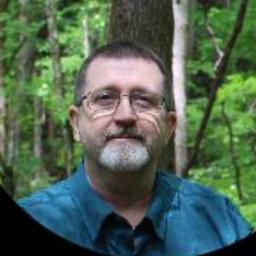
About Tony
Tony Byrd is a Licensed Mental Health Counselor (LMHC) based in Florida with 27 years of experience. He uses practical talk and structured approaches to help people facing mood and behavior challenges. Tony works to create clear goals and simple steps clients can follow between sessions.
He combines cognitive behavioral methods with dialectical behavior skills and emotionally-focused work. That mix helps with anxiety, depression, bipolar symptoms, anger, addictions, and ADHD by teaching skills for managing thoughts, emotions, and relationships.
How Tony works
Sessions are focused and action-oriented so people leave with something to try. Tony's background includes both inpatient and outpatient settings and work with substance use, trauma, forensic contexts, and court-involved treatment. He has experience addressing personality issues, self-esteem struggles, grief, intimacy concerns, and LGBT-related topics.
That range informs a flexible, experience-based approach. In sessions he emphasizes education and collaborative planning. Clients learn to recognize patterns, build coping strategies, and practice new behaviors between meetings.
The goal is steady progress rather than quick fixes. Practical matters such as sleep, eating, parenting stress, money and work strain, and compassion fatigue are also addressed. Tony offers a direct, supportive style and helps people map the next steps in their recovery or life transition.
Tony lists 8 ways of working on the entry:
What Tony works with
The areas below are the ones Tony selected when setting up a profile. The first few are listed as the main focus; the rest are also named.
- Stress, Anxiety
- Trauma and abuse
- Anger management
Also listed
- Addictions
- ADHD
- Antisocial personality
- Bipolar disorder
- Co-morbidity
- Codependency
- Communication problems
- Compassion fatigue
- Coping with life changes
- Depression
- Drug and alcohol addiction
- Eating disorders
- Family conflicts
- Forgiveness
- Gender dysphoria
- Grief
- Guilt and shame
- HIV / AIDS
- Impulsivity
- Intimacy-related issues
- Isolation / loneliness
- LGBT
- Men's issues
- Midlife crisis
- Money and financial issues
- Mood disorders
- Obsessions, compulsions, and OCD
- Paranoia
- Parenting issues
- Personality disorders
- Post-traumatic stress
- Postpartum depression
- Prejudice and discrimination
- Process addiction (porn, exercise, gambling)
- Relationship issues
- Seasonal Affective Disorder (SAD)
- Self esteem
- Self-harm
- Sex addiction
- Sexual assault and abuse
- Sexual dysfunction
- Sexuality
- Sleeping disorders
- Social anxiety and phobia
- Traumatic brain injury
Training and background
| Register | LMHC |
|---|---|
| Years in practice | 27 |
| Languages | English |
| Session format | Online: video, phone, live chat or messaging |
| Country | Florida |
Memberships and registers are shown as supplied; they are not licences, and this directory does not verify them.
Online support options
Using practical therapy approaches online
Tony commonly uses cognitive behavioral therapy, which focuses on identifying unhelpful thoughts and testing new behaviors to reduce anxiety and depression symptoms. He also uses dialectical behavior therapy skills to teach emotion regulation, distress tolerance, and interpersonal effectiveness for people who struggle with intense feelings and impulsivity. A third focus is emotionally-focused work, which helps identify emotional patterns in relationships and build clearer ways to express needs.Choosing the right approach is part of the work together. The therapist will review symptoms, goals, and personal preferences and then recommend a plan. That plan can shift over time as progress or new concerns appear, and clients are invited to give feedback so the direction fits their needs.
Online therapy is offered through video calls, phone sessions, live chat, or text-based messaging to make scheduling easier. Video is useful for full sessions and nonverbal cues, phone sessions work when bandwidth or camera use is limited, live chat can be a shorter check-in, and messaging allows ongoing contact and brief updates between meetings. These options make it easier to fit therapy into busy lives and maintain regular work on goals.
Start online instead of waiting
Our partner service asks a few questions about what you are looking for and matches you with a therapist for sessions from home.
Book with TonyWe will earn a commission if you sign up through our link, at no cost to you.
Common questions
What kinds of concerns does this therapist address?
What is the therapist's general approach or style?
How much clinical experience does he have?
What credentials and location apply to this practice?
Are sessions offered in other languages or to international clients?
Which session formats are available?
How are fees and payments handled?
What steps are involved in getting started?
A practical next step
Write down two things you would want to be different in six months. That is the most useful thing to bring to a first session, whoever it is with. If you would rather start now than keep reading, online sessions are the quickest route.
We will earn a commission if you sign up through our link, at no cost to you. Entries are not assessed or endorsed by this directory.
Other entries for stress, anxiety
Supportive LCSW helping people build strength and clarity
Practical, trauma-aware therapy for everyday life
Practical, relational therapy for life transitions