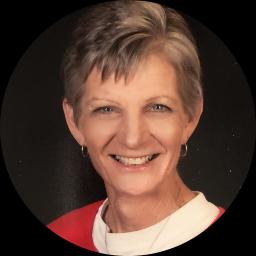
About Treva
Treva Satterfield is a licensed professional counselor with 21 years of experience practicing in Missouri. She approaches each person as the expert on their own life and looks for strengths to build on. Treva offers direct, practical support for people who feel stuck and want real change.
Treva works with common problems like stress, anxiety, depression, grief, and low self-esteem. She also helps people facing trauma or abuse, addiction concerns, relationship and intimacy-related struggles, and challenges linked to ADHD or bipolar disorder.
How Treva works
Her practice includes attention to body image, sleep and eating issues, and career or life transitions. Her background spans two decades of counseling experience across a range of concerns. That time has shaped a straightforward style that focuses on what matters most to each person.
Sessions tend to be goal-oriented and tailored to everyday life demands. Treva pays attention to attachment, abandonment, and adoption or foster care issues when those histories affect current functioning. She also supports people coping with caregiver stress, chronic illness, and the effects of trauma from disasters or other major events.
People can expect collaborative conversations that name concrete steps to try between sessions. Treva helps clients build skills for managing emotions, improving communication, and making changes that fit real schedules and responsibilities.
What Treva works with
The areas below are the ones Treva selected when setting up a profile. The first few are listed as the main focus; the rest are also named.
Also listed
- Abandonment
- Addictions
- ADHD
- Adoption and foster care
- Aging and geriatric issues
- Anger management
- Attachment issues
- Autism and Asperger Syndrome
- Bipolar disorder
- Blended family issues
- Body image
- Career difficulties
- Caregiver issues and stress
- Chronic pain, illness, and disability
- Codependency
- Communication problems
- Compassion fatigue
- Control issues
- Coping with life changes
- Coping with natural or human-caused disaster
- Dependent personality
- Depression
- Divorce and separation
- Drug and alcohol addiction
- Eating and food-related issues
- Eating disorders
- Family conflicts
- Family of origin issues
- Family problems
- Forgiveness
- Guilt and shame
- Hospice and end-of-life counseling
- Intellectual disability
- Intimacy-related issues
- Isolation / loneliness
- LGBT
- Life purpose
- Midlife crisis
- Mood disorders
- Panic disorder and panic attacks
- Personality disorders
- Post-traumatic stress
- Postpartum depression
- Pregnancy and childbirth
- Relationship issues
- Seasonal Affective Disorder (SAD)
- Self esteem
- Self-harm
- Sleeping disorders
- Women's issues
Training and background
| Register | LPC |
|---|---|
| Years in practice | 21 |
| Languages | English |
| Session format | Online: video, phone, live chat or messaging |
| Country | Missouri |
Memberships and registers are shown as supplied; they are not licences, and this directory does not verify them.
Online support options
Approaches that guide online work and how they help
Treva uses evidence-based therapeutic techniques that focus on practical change and coping. One common approach emphasizes skills for managing anxiety and mood, such as breathing, grounding, and activity planning to reduce overwhelm and increase daily functioning. This kind of work helps when stress, panic, depression, or sleep problems interfere with routines.Another approach centers on processing trauma and building safety in the present day. It involves pacing difficult memories, reducing triggers, and creating strategies to manage strong emotions when they arise. This approach supports people dealing with past abuse, disaster-related stress, or ongoing trauma reminders.
Finding the right method is part of the process. The therapist works collaboratively with each person to choose which techniques fit their needs, goals, and preferences, and adjusts the plan as progress is made.
Online sessions are offered as video calls, phone sessions, live chat, or text-based messaging to make therapy more flexible. Video lets people use visual cues and deeper conversational work, while phone sessions can be a good option when bandwidth is limited or being on camera is difficult. Live chat and text messaging make it easier to check in quickly, do brief coaching, or fit support into a busy day. These formats aim to make it simpler to maintain consistent care around work, caregiving, or other commitments.
Start online instead of waiting
Our partner service asks a few questions about what you are looking for and matches you with a therapist for sessions from home.
Book with TrevaWe will earn a commission if you sign up through our link, at no cost to you.
Common questions
What kinds of problems does Treva help address?
What is her therapeutic style like?
How much clinical experience does she have?
Where is Treva licensed and practicing?
Which languages are offered for sessions?
Can international clients work with Treva?
What session formats are available?
How are costs and getting started handled?
A practical next step
Write down two things you would want to be different in six months. That is the most useful thing to bring to a first session, whoever it is with. If you would rather start now than keep reading, online sessions are the quickest route.
We will earn a commission if you sign up through our link, at no cost to you. Entries are not assessed or endorsed by this directory.
Other entries for stress, anxiety
Supportive LCSW helping people build strength and clarity
Practical, trauma-aware therapy for everyday life
Practical, relational therapy for life transitions