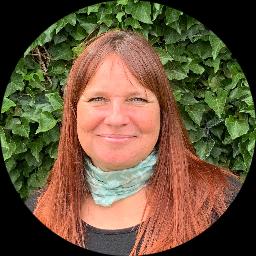
About Claire
Claire Sims is a counsellor with two decades of professional experience in the United Kingdom. She draws on long years of practice to support people facing stress, anxiety, grief, depression and relationship difficulties. Claire works at a pace that suits each person and aims to keep the process collaborative and respectful.
Her path into counselling began in 2000 and she started seeing clients from 2005. Over the years she has worked in many roles including helplines, bereavement support and services for people affected by sexual violence.
How Claire works
That range of experience informs how she notices patterns and responds to each individual. Claire trained in psychodynamic counselling and places that approach at the heart of her work. She describes her current style as integrative, meaning she blends the psychodynamic focus with other helpful ways of working to meet each person's needs.
Sessions are shaped around what the individual prefers and finds useful. Her practice covers a wide array of concerns such as trauma and abuse, domestic violence, addictions, parenting strain, compassion fatigue, eating and sleeping difficulties, and issues linked to attachment and abandonment. She also supports people coping with major life changes, bereavement and end-of-life matters.
Claire has held roles including counselling coordinator, helpline supervisor and bereavement counsellor at a hospice. She has experience training counsellors for online and telephone work and has developed outreach and telephone services. This practical background feeds into how she offers calm, informed support.
People choosing to work with Claire can expect a down-to-earth, steady approach that aims to restore a sense of control and help them find clearer ways forward.
Claire lists one way of working on the entry:
What Claire works with
The areas below are the ones Claire selected when setting up a profile. The first few are listed as the main focus; the rest are also named.
- Stress, Anxiety
- Relationship issues
- Trauma and abuse
Also listed
- Abandonment
- Addictions
- ADHD
- Anger management
- Attachment issues
- Avoidant personality
- Bipolar disorder
- Blended family issues
- Career difficulties
- Coaching
- Commitment issues
- Communication problems
- Compassion fatigue
- Coping with life changes
- Dependent personality
- Depression
- Divorce and separation
- Domestic violence
- Eating disorders
- Emptiness
- Family conflicts
- Family problems
- Forgiveness
- Grief
- Guilt and shame
- Hospice and end-of-life counseling
- Intimacy-related issues
- Isolation / loneliness
- Jealousy
- Life purpose
- Midlife crisis
- Mood disorders
- Narcissism
- Panic disorder and panic attacks
- Parenting issues
- Personality disorders
- Post-traumatic stress
- Pregnancy and childbirth
- Self esteem
- Self-harm
- Self-love
- Sexual assault and abuse
- Sleeping disorders
- Social anxiety and phobia
- Women's issues
- Workplace issues
Training and background
| Register | BACP |
|---|---|
| Years in practice | 20 |
| Languages | English |
| Session format | Online: video, phone, live chat or messaging |
| Country | United Kingdom |
Memberships and registers are shown as supplied; they are not licences, and this directory does not verify them.
Online support options
Psychodynamic informed therapy online
Psychodynamic work looks at patterns in relationships and feelings that repeat over time. It helps people understand how past experiences shape current reactions and can be useful for issues like attachment, abandonment, shame and long-standing relationship difficulties.Claire also describes her practice as integrative, which means she blends psychodynamic ideas with other helpful ways of working. That flexibility lets her shape sessions around specific problems such as trauma, grief, anxiety or mood difficulties rather than sticking to one fixed method.
Choosing the right approach is part of the therapeutic process. Claire aims to work collaboratively to identify what feels most useful based on goals, personal history and how someone prefers to engage. She will discuss options and adjust the way she works as therapy progresses.
Online therapy offers practical benefits that suit many people. Video calls let conversations feel close to face-to-face, phone sessions use less bandwidth and can be easier when you need a short check-in, and live chat or text-based messaging can fit around busy days or be a gentler way to start. These formats make it easier to book sessions around work, childcare or travel and allow continuity when attending in person is difficult.
Registered or accredited professionals provide these online options, and Claire's experience training counsellors for telephone and video work informs how she adapts her methods to each format.
Start online instead of waiting
Our partner service asks a few questions about what you are looking for and matches you with a therapist for sessions from home.
Book with ClaireWe will earn a commission if you sign up through our link, at no cost to you.
Common questions
What kinds of problems does Claire help with?
How would you describe her therapeutic style?
How much experience does she have?
Where is she based and what credential does she hold?
Which languages and regions does she support?
What session formats are available?
How does payment and cost work?
How do I begin working with her?
A practical next step
Write down two things you would want to be different in six months. That is the most useful thing to bring to a first session, whoever it is with. If you would rather start now than keep reading, online sessions are the quickest route.
We will earn a commission if you sign up through our link, at no cost to you. Entries are not assessed or endorsed by this directory.
Other entries for stress, anxiety
Supportive LCSW helping people build strength and clarity
Practical, trauma-aware therapy for everyday life
Practical, relational therapy for life transitions