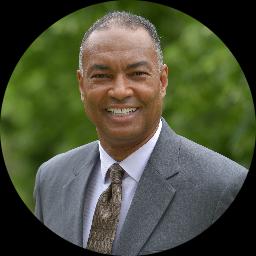
About Daniel
Dr. Daniel Williams welcomes people who are struggling with addiction, low self-esteem, depression, and relationship or family tensions. He keeps sessions direct and respectful, helping people talk through what feels urgent and plan manageable next steps.
He aims to create a steady, compassionate space where clients can build confidence and clearer choices. With 23 years of clinical work, Daniel uses practical, evidence-based therapeutic techniques and adapts them to each person's needs.
How Daniel works
He listens for patterns that keep problems cycling and helps people try different ways of responding. Conversations focus on skills people can use between sessions as well as on understanding how past events influence current choices. He has guided many people through addiction and drug and alcohol concerns, and he also addresses separation and divorce, domestic violence aftermath, and codependency dynamics.
Daniel works with issues related to communication, commitment, and complex personality or mood concerns when they affect daily life. Sessions are offered in English and he practices under an Illinois LCSW credential. He accepts international clients and uses a variety of online formats to meet different needs.
Cost varies with location and availability and uses a subscription model that can be canceled at any time. Dr. Williams encourages a collaborative approach to goal setting.
He will tailor the conversation and treatment plan to each person’s circumstances, moving at a pace that feels manageable while supporting steady progress.
What Daniel works with
The areas below are the ones Daniel selected when setting up a profile. The first few are listed as the main focus; the rest are also named.
- Addictions
- Relationship issues
- Family conflicts
Also listed
- Abandonment
- Aging and geriatric issues
- Antisocial personality
- Avoidant personality
- Blended family issues
- Co-morbidity
- Codependency
- Commitment issues
- Communication problems
- Dependent personality
- Depression
- Disruptive Mood Dysregulation Disorder (DMDD)
- Dissociation
- Divorce and separation
- Domestic violence
- Drug and alcohol addiction
- Eating and food-related issues
- Emptiness
- Family problems
- Fatherhood issues
- First responder issues
- Forgiveness
- Guilt and shame
- Immigration issues
- Impulsivity
- Infidelity
- Intellectual disability
- Isolation / loneliness
- Jealousy
- Life purpose
- Men's issues
- Money and financial issues
- Mood disorders
- Multicultural concerns
- Narcissism
- Obsessions, compulsions, and OCD
- Panic disorder and panic attacks
- Paranoia
- Personality disorders
- Phobias
- Post-traumatic stress
- Postpartum depression
- Prejudice and discrimination
- Process addiction (porn, exercise, gambling)
- Seasonal Affective Disorder (SAD)
- Self esteem
- Self-harm
- Self-love
- Sex addiction
- Sexual assault and abuse
- Sexual dysfunction
- Sexuality
- Social anxiety and phobia
- Somatization
- Trichotillomania
- Women's issues
- Workplace issues
- Young adult issues
Training and background
| Register | LCSW |
|---|---|
| Years in practice | 23 |
| Languages | English |
| Session format | Online: video, phone, live chat or messaging |
| Country | Illinois |
Memberships and registers are shown as supplied; they are not licences, and this directory does not verify them.
Online support options
Evidence-based approaches and online care
Dr. Williams uses practical, evidence-based therapeutic techniques that aim to change unhelpful patterns and build useful skills. One common focus is work that targets addiction-related behaviors by identifying triggers, building coping strategies, and developing relapse prevention plans to support recovery. Another key approach emphasizes communication and problem-solving skills for relationship and family tensions, helping people practice clearer expression and boundaries to reduce conflict.Choosing the best approach is a collaborative process. He talks with each person about goals, preferences, and what has or hasn’t worked before. Together they try methods that feel right and adjust as progress is made, so treatment fits the person rather than the other way around.
Online therapy options include video calls, phone sessions, live chat, and text-based messaging. Video sessions allow face-to-face conversation across distance. Phone sessions work well when bandwidth is limited or for quick check-ins. Live chat and text messaging offer brief, ongoing support and can be easier to fit into a busy day. These formats increase flexibility and make it simpler to sustain steady contact with a licensed professional.
Start online instead of waiting
Our partner service asks a few questions about what you are looking for and matches you with a therapist for sessions from home.
Book with DanielWe will earn a commission if you sign up through our link, at no cost to you.
Common questions
What kinds of problems does he address?
What is his general therapy style?
How long has he been practicing?
What credentials and location are listed?
Which languages and international options are available?
What session formats does he use?
How is cost handled?
How do I begin working with him?
A practical next step
Write down two things you would want to be different in six months. That is the most useful thing to bring to a first session, whoever it is with. If you would rather start now than keep reading, online sessions are the quickest route.
We will earn a commission if you sign up through our link, at no cost to you. Entries are not assessed or endorsed by this directory.
Other entries for addictions
Supportive LCSW helping people build strength and clarity
Practical, relational therapy for life transitions
Practical therapy for stress and relationship strain