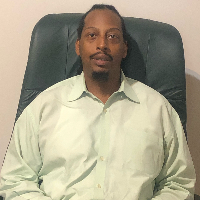
About James
James Milner is a licensed clinical social worker (LCSW) based in Georgia. He has 11 years of clinical experience and helps people facing stress, anxiety, depression, addiction, trauma, and relationship struggles. He works with adults to untangle life changes, grief, self-esteem issues, and career stress in straightforward, practical ways.
He blends talking therapy with mindfulness and behavioral tools. Sessions focus on the person in front of him and their life story, not just a diagnosis.
How James works
James draws on Acceptance and Commitment Therapy, Cognitive Behavioral Therapy, Dialectical Behavior Therapy, and client-centered methods to build skills and shift patterns. James also integrates hypnotherapy and mindfulness practices when they fit a person's goals. He values a client's belief system and cultural background and includes those perspectives in treatment planning.
His approach aims to connect current problems to past experiences so people can make different choices going forward. Before independent practice he led programs for supportive housing and substance-related services in Georgia, and ran a counseling contract with a university counseling center. He has served in leadership roles developing shelters and residential programs that addressed homelessness and co-occurring substance issues.
Outside clinical work he is an ordained Baptist minister, a meditation instructor, a Reiki master, and an anger management trainer. Those roles inform his holistic view of healing and how mind, body, and spirit interact during therapy.
James lists 9 ways of working on the entry:
What James works with
The areas below are the ones James selected when setting up a profile. The first few are listed as the main focus; the rest are also named.
- Stress, Anxiety
- Trauma and abuse
- Anger management
Also listed
- Abandonment
- Addictions
- Bipolar disorder
- Blended family issues
- Career difficulties
- Co-morbidity
- Codependency
- Commitment issues
- Communication problems
- Control issues
- Coping with life changes
- Dependent personality
- Depression
- Divorce and separation
- Domestic violence
- Drug and alcohol addiction
- Emptiness
- Family conflicts
- Family of origin issues
- Family problems
- Fatherhood issues
- Forgiveness
- Grief
- Guilt and shame
- Infidelity
- Isolation / loneliness
- Jealousy
- Life purpose
- Men's issues
- Mood disorders
- Multicultural concerns
- Post-traumatic stress
- Prejudice and discrimination
- Relationship issues
- Self esteem
- Self-love
- Sexual assault and abuse
- Social anxiety and phobia
- Workplace issues
Training and background
| Registers | LCSW, CSW |
|---|---|
| Years in practice | 11 |
| Languages | English |
| Session format | Online: video, phone, live chat or messaging |
| Country | Georgia |
Memberships and registers are shown as supplied; they are not licences, and this directory does not verify them.
Online support options
How therapeutic approaches translate to online care
Acceptance and Commitment Therapy (ACT) helps people notice hard thoughts and feelings while focusing on actions that matter to them. It is useful for anxiety, stress, and navigating life changes. Cognitive Behavioral Therapy (CBT) looks at the link between thoughts, feelings, and behaviors and teaches practical skills to change unhelpful patterns. It is often used for depression, anxiety, and coping with difficult situations.Choosing the right approach is part of the work together. The therapist will talk with the client about goals, personal beliefs, and daily routines, then recommend approaches that fit. Sessions can mix ACT, CBT, client-centered listening, DBT skills, or hypnotherapy based on what the person needs and prefers.
Online sessions are offered by video calls, phone sessions, live chat, or text-based messaging to make therapy more flexible. Video is useful for full conversations and practicing skills, phone can be simpler when bandwidth is limited, and brief issues or check-ins can work well through live chat or text. These options help people fit therapy into work, family life, or a busy schedule while maintaining continuity of care.
Start online instead of waiting
Our partner service asks a few questions about what you are looking for and matches you with a therapist for sessions from home.
Book with JamesWe will earn a commission if you sign up through our link, at no cost to you.
Common questions
What kinds of problems does he help with?
What is his style of therapy?
What experience informs his work?
What credentials and location are listed?
Which languages are supported and are international clients accepted?
How are sessions delivered?
How is cost handled for sessions?
What are the first steps to begin therapy?
A practical next step
Write down two things you would want to be different in six months. That is the most useful thing to bring to a first session, whoever it is with. If you would rather start now than keep reading, online sessions are the quickest route.
We will earn a commission if you sign up through our link, at no cost to you. Entries are not assessed or endorsed by this directory.
Other entries for stress, anxiety
Supportive LCSW helping people build strength and clarity
Practical, trauma-aware therapy for everyday life
Practical, relational therapy for life transitions