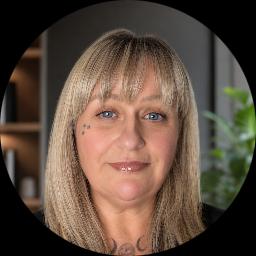
About Lindsay
Lindsay Westwood brings six years of counselling experience and a Master’s degree in Counselling and Psychotherapy. She is registered with the BACP, and she uses a person-centred approach to help people find their own answers. Lindsay writes plainly and works in a friendly, down-to-earth way that aims to reduce pressure and judgement.
She focuses on everyday struggles such as stress, anxiety, grief and coping with life changes. She also supports people dealing with trauma and abuse, addictions, relationship and intimacy issues, sleep or eating problems, and challenges like ADHD and depression.
How Lindsay works
Lindsay has additional experience with abandonment, attachment difficulties, chronic illness and caregiver stress. Her practice grew through direct work with young people and families, and through over 2,000 hours of counselling. During the pandemic she concentrated on grief and loss, combining discussion and simple psychoeducation to help people understand the grieving process and find acceptance.
Lindsay’s style is collaborative and adaptable. She builds a therapeutic relationship that encourages people to set realistic goals, try new coping strategies and explore past and present patterns. She offers inner child workshops and mindfulness practice groups to bring play and gentle body awareness back into life.
Sessions aim to be practical and focused on what matters most to the individual. Lindsay listens, reflects and helps people notice the choices they already know how to make. Her work is steady, honest and grounded in respect for each person’s pace.
Lindsay lists one way of working on the entry:
What Lindsay works with
The areas below are the ones Lindsay selected when setting up a profile. The first few are listed as the main focus; the rest are also named.
Also listed
- Abandonment
- Addictions
- ADHD
- Anger management
- Attachment issues
- Autism and Asperger Syndrome
- Bipolar disorder
- Blended family issues
- Cancer
- Career difficulties
- Caregiver issues and stress
- Chronic pain, illness, and disability
- Codependency
- Communication problems
- Compassion fatigue
- Control issues
- Coping with life changes
- Depression
- Dissociation
- Divorce and separation
- Domestic violence
- Drug and alcohol addiction
- Eating disorders
- Emptiness
- Family conflicts
- Family problems
- Fertility issues
- Forgiveness
- Guilt and shame
- Impulsivity
- Intimacy-related issues
- Isolation / loneliness
- Jealousy
- LGBT
- Life purpose
- Midlife crisis
- Mood disorders
- Narcissism
- Obsessions, compulsions, and OCD
- Panic disorder and panic attacks
- Paranoia
- Parenting issues
- Post-traumatic stress
- Pregnancy and childbirth
- Relationship issues
- Seasonal Affective Disorder (SAD)
- Self esteem
- Self-harm
- Self-love
- Sexual assault and abuse
- Sexuality
- Sleeping disorders
- Social anxiety and phobia
- Women's issues
- Workplace issues
- Young adult issues
Training and background
| Register | BACP |
|---|---|
| Years in practice | 6 |
| Languages | English |
| Session format | Online: video, phone, live chat or messaging |
| Country | United Kingdom |
Memberships and registers are shown as supplied; they are not licences, and this directory does not verify them.
Online support options
Person-centred care and online access
Client-Centred Therapy places the person at the heart of the work. The counsellor offers empathic listening and acceptance, and helps a person notice their own resources and choices. This approach is useful for issues like low self-esteem, grief, anxiety and relationship concerns because it focuses on building understanding rather than giving instructions.Lindsay tailors sessions to the person in front of her, taking what feels most helpful from her training and experience. Finding the right approach is part of the journey, and she will work with each person to decide which methods suit their goals and preferences. That way therapy becomes a joint process rather than a fixed programme.
Online therapy makes it possible to meet in ways that fit life. Video calls are close to face-to-face work and allow visual connection. Phone sessions can be useful when bandwidth is limited or when someone prefers not to be on camera. Live chat and text messaging suit short check-ins, day-to-day support and people who communicate better in writing. These options give practical flexibility so sessions can fit around work, family life and other commitments.
Start online instead of waiting
Our partner service asks a few questions about what you are looking for and matches you with a therapist for sessions from home.
Book with LindsayWe will earn a commission if you sign up through our link, at no cost to you.
Common questions
What kinds of concerns can be addressed?
What is her therapeutic style like?
How much clinical experience does she have?
Does she hold any professional credentials and where does she practise?
Which languages are sessions offered in?
Can people outside the UK work with her?
What session formats are available?
How does the subscription and cost work?
A practical next step
Write down two things you would want to be different in six months. That is the most useful thing to bring to a first session, whoever it is with. If you would rather start now than keep reading, online sessions are the quickest route.
We will earn a commission if you sign up through our link, at no cost to you. Entries are not assessed or endorsed by this directory.
Other entries for stress, anxiety
Supportive LCSW helping people build strength and clarity
Practical, trauma-aware therapy for everyday life
Practical, relational therapy for life transitions