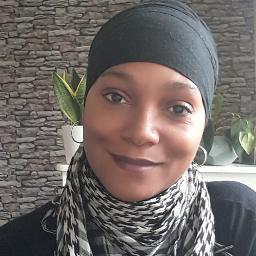
About Sharon
Sharon Facey is a counsellor with 12 years' experience and membership of the British Association for Counsellors and Psychotherapists (BACP). She offers both short-term and longer-term work, using different ways of talking and understanding to suit each person's needs. Sharon draws on a range of approaches to help people who are feeling stuck or overwhelmed.
Her day-to-day focus includes stress, anxiety, depression and trauma. She also supports people through relationship and intimacy issues, self-esteem struggles and grief.
How Sharon works
Additional areas she addresses include parenting pressures, caring responsibilities, chronic illness, and the emotional impact of abuse or separation. In sessions Sharon uses Client-Centred ways of working alongside Cognitive Behavioural ideas and psychodynamic listening. She also brings solution-focused and trauma-informed methods as needed.
These approaches are mixed to match what someone needs rather than following one fixed method. Sharon has long experience supporting women and girls affected by domestic and sexual violence and people who experienced childhood sexual abuse. She also works with people managing burnout, compassion fatigue, and major life changes such as divorce or bereavement.
Sessions are offered in English and can be taken online by video, phone, live chat or text messaging. Sharon accepts international clients and helps people set clear, realistic goals so therapy fits around their life and priorities.
Sharon lists 5 ways of working on the entry:
What Sharon works with
The areas below are the ones Sharon selected when setting up a profile. The first few are listed as the main focus; the rest are also named.
Also listed
- Abandonment
- ADHD
- Anger management
- Attachment issues
- Bipolar disorder
- Blended family issues
- Cancer
- Career difficulties
- Caregiver issues and stress
- Chronic pain, illness, and disability
- Coaching
- Codependency
- Commitment issues
- Communication problems
- Compassion fatigue
- Control issues
- Coping with life changes
- Coping with natural or human-caused disaster
- Depression
- Dissociation
- Divorce and separation
- Domestic violence
- Emptiness
- Family conflicts
- Family of origin issues
- Family problems
- Forgiveness
- Grief
- Guilt and shame
- Hoarding
- Immigration issues
- Impulsivity
- Infidelity
- Isolation / loneliness
- Jealousy
- LGBT
- Life purpose
- Midlife crisis
- Mood disorders
- Multicultural concerns
- Obsessions, compulsions, and OCD
- Panic disorder and panic attacks
- Parenting issues
- Polyamory / non-monogamous relationships
- Post-traumatic stress
- Postpartum depression
- Pregnancy and childbirth
- Prejudice and discrimination
- Relationship issues
- Seasonal Affective Disorder (SAD)
- Self esteem
- Self-harm
- Self-love
- Sexual assault and abuse
- Sexuality
- Sleeping disorders
- Social anxiety and phobia
- Somatization
- Women's issues
- Workplace issues
- Young adult issues
Training and background
| Register | BACP |
|---|---|
| Years in practice | 12 |
| Languages | English |
| Session format | Online: video, phone, live chat or messaging |
| Country | United Kingdom |
Memberships and registers are shown as supplied; they are not licences, and this directory does not verify them.
Online support options
Bringing therapeutic approaches online for flexible care
Sharon uses Client-Centred Therapy to place the person's experience at the heart of the conversation. It focuses on listening, empathy and helping someone find their own answers, which can help with low self-esteem, relationship doubts and life transitions.Cognitive Behavioural Therapy, or CBT, is used to identify unhelpful thinking and behaviour patterns and to try small changes that can reduce anxiety and depression. It is practical and goal-focused, often helpful for sleep issues, stress and mood symptoms.
Finding the right approach is part of the work. Sharon will talk with the person about their needs, goals and preferences and agree a mix of methods to try. This is a collaborative process and methods can be adjusted as progress or circumstances change.
Online sessions make therapy easier to fit into a busy life. Video calls allow face-to-face dialogue, phone sessions suit those who prefer not to be on camera, and live chat or text messaging can support brief check-ins or ongoing reflection between meetings. These options help people access consistent support from wherever they are, with scheduling that can suit work, family and treatment commitments.
Start online instead of waiting
Our partner service asks a few questions about what you are looking for and matches you with a therapist for sessions from home.
Book with SharonWe will earn a commission if you sign up through our link, at no cost to you.
Common questions
What concerns does Sharon focus on?
What approach does she use in sessions?
What experience does she bring?
Where is Sharon based and what credential does she hold?
Which languages are available for sessions?
What session formats are offered?
How are sessions charged?
How do I begin working with her?
A practical next step
Write down two things you would want to be different in six months. That is the most useful thing to bring to a first session, whoever it is with. If you would rather start now than keep reading, online sessions are the quickest route.
We will earn a commission if you sign up through our link, at no cost to you. Entries are not assessed or endorsed by this directory.
Other entries for stress, anxiety
Supportive LCSW helping people build strength and clarity
Practical, trauma-aware therapy for everyday life
Practical, relational therapy for life transitions